Start your project

Every year we do a version of this article. This year it’s simpler: homeowners across London are done rushing into building work, and we think that’s a good thing.
We’ve seen it first-hand on site and in early client conversations. People aren’t asking “how fast can you start” anymore. They’re asking better questions — how will this room actually get used, will the layout still make sense in ten years, what happens to the finish once the kids are older. That’s a different kind of client, and it makes for a better project.
It shows up in the small things. Clients are coming to first meetings with mood boards instead of a single Pinterest link, asking about storage before they ask about the kitchen island, and wanting to know how a room performs in winter as much as how it photographs. That level of detail early on saves weeks of back-and-forth later, because the brief is actually resolved before drawings start rather than getting rewritten halfway through.

Why the Shift Is Happening
Some of it comes down to the numbers. With stamp duty changes and interest rates where they are, moving house in London has got harder to justify, whatever part of the city you’re in. Improving the home you’ve already got — extending it, reconfiguring it, doing it properly — is often the smarter move. So people are investing more into the property they’re standing in.
The rest of it is just experience. Homeowners have seen enough poorly run projects, either their own or a neighbour’s, to know that speed for its own sake isn’t the win it’s made out to be.
Why Design and Build Still Wins
We’ve run Design and Build Contractors work out of Blackheath for over a decade, and the reason it keeps outperforming the split model is simple: one team, one point of contact, one line of accountability. Design, structural resolution, and construction all sit under the same roof, which means decisions get made early instead of getting fought over on site three months in. That’s true whether the project is in Greenwich, Stepney Green, or one of the pockets of Central London we’re increasingly working in.
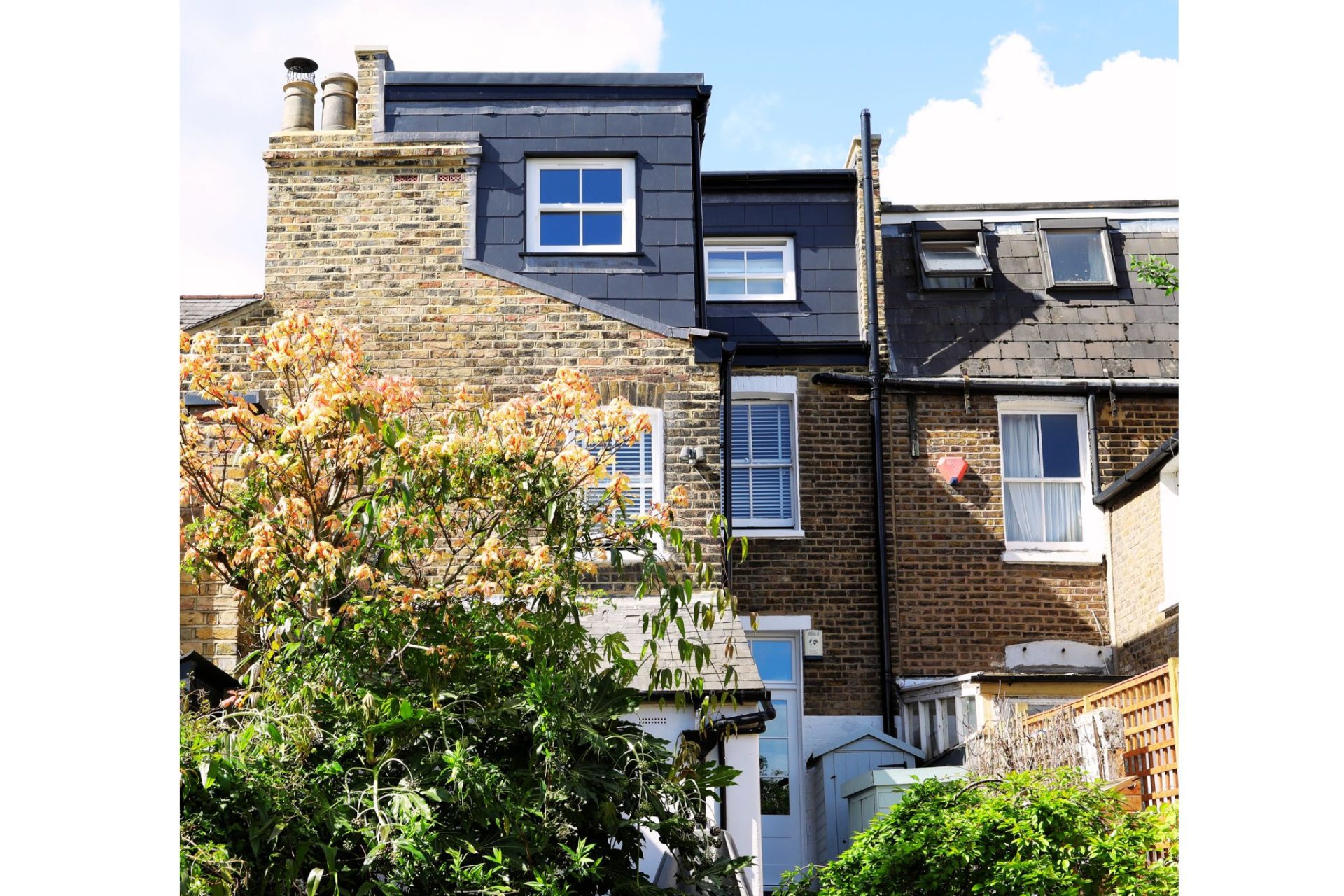
That matters most on the jobs with real constraints — listed buildings, conservation areas, occupied homes where the family isn’t moving out. Greenwich alone has 23 conservation areas and Article 4 restrictions across west and east Greenwich, and Blackheath’s own conservation area — jointly designated with Greenwich in 1968, London’s first — straddles both boroughs. Getting that wrong isn’t a paperwork problem, it’s a planning refusal or a stop-work notice. Our Grade II listed project in Stepney Green is a good example of why this matters. Listed building consent is a separate process from standard planning permission, and it’s needed for any works that affect the character of the building, inside or out. Historic England is clear that carrying out unauthorised work on a listed building is a criminal offence, not just a slap on the wrist — so the design has to be right, resolved, and signed off before anyone picks up a tool. That’s a lot easier to manage when the same team is doing the design and the build, rather than handing constraints back and forth between separate consultants.
Even where a project isn’t listed or in a conservation area, it’s worth checking early whether it falls under permitted development or needs a full planning application — the rules on rear extensions, roof height, and how much of the garden can be built over catch a lot of people out later than they should.
Having the same team handle design and delivery is what keeps these projects moving, wherever in London they’re happening.
We Don’t Take On Everything
We’re selective about what we take on, and that’s deliberate. A smaller number of well-run projects beats a full diary of jobs that don’t get the attention they need. It means we can sequence the work properly, keep site management consistent from start to finish, and actually be there when something needs a decision — not just show up for the site meeting.
Detail Over Open-Plan for the Sake of It
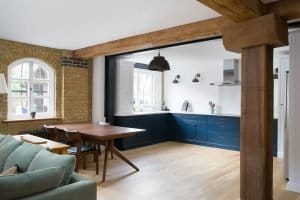
We’re also seeing less appetite for knock-it-all-through open-plan and more interest in defined, well-considered spaces — proper zoning, bespoke joinery, details that hold up over time rather than just looking good on a render. That kind of work only comes together when the person drawing it and the person building it are the same team. Details that look simple on paper often aren’t simple to build, and that gap is where most projects go wrong.

What This Looks Like Day to Day
Building work disrupts a home, full stop — we’re not going to pretend otherwise. Part of an early conversation with us is being straight about what the scope of works actually means for day-to-day living, and where staying put isn’t realistic, helping clients plan around that properly rather than muddling through it. Clear timelines, straight answers, and a site that’s kept under control that’s the job as much as the build itself.
Looking Ahead to 2026
Going into 2026, Design and Build remains the right way to deliver a serious residential project anywhere in London. Not because it’s trendy — because it’s the model that actually holds up under planning constraints, structural complexity, and homes that need to keep functioning while the work happens.
We’re based in Blackheath and rooted in South East London, and we’re taking on more work across Central and East London too. If you’re planning a project anywhere in the city and want it done properly, get in touch and we’ll talk it through.