Start your project
Renovating a leasehold flat in London is a different proposition to a straightforward freehold house. On top of design and budget, you’re dealing with approvals, legal obligations, and coordination with parties you don’t control.
Getting across this early saves time, avoids delays, and keeps costly mistakes to a minimum.
The London Context
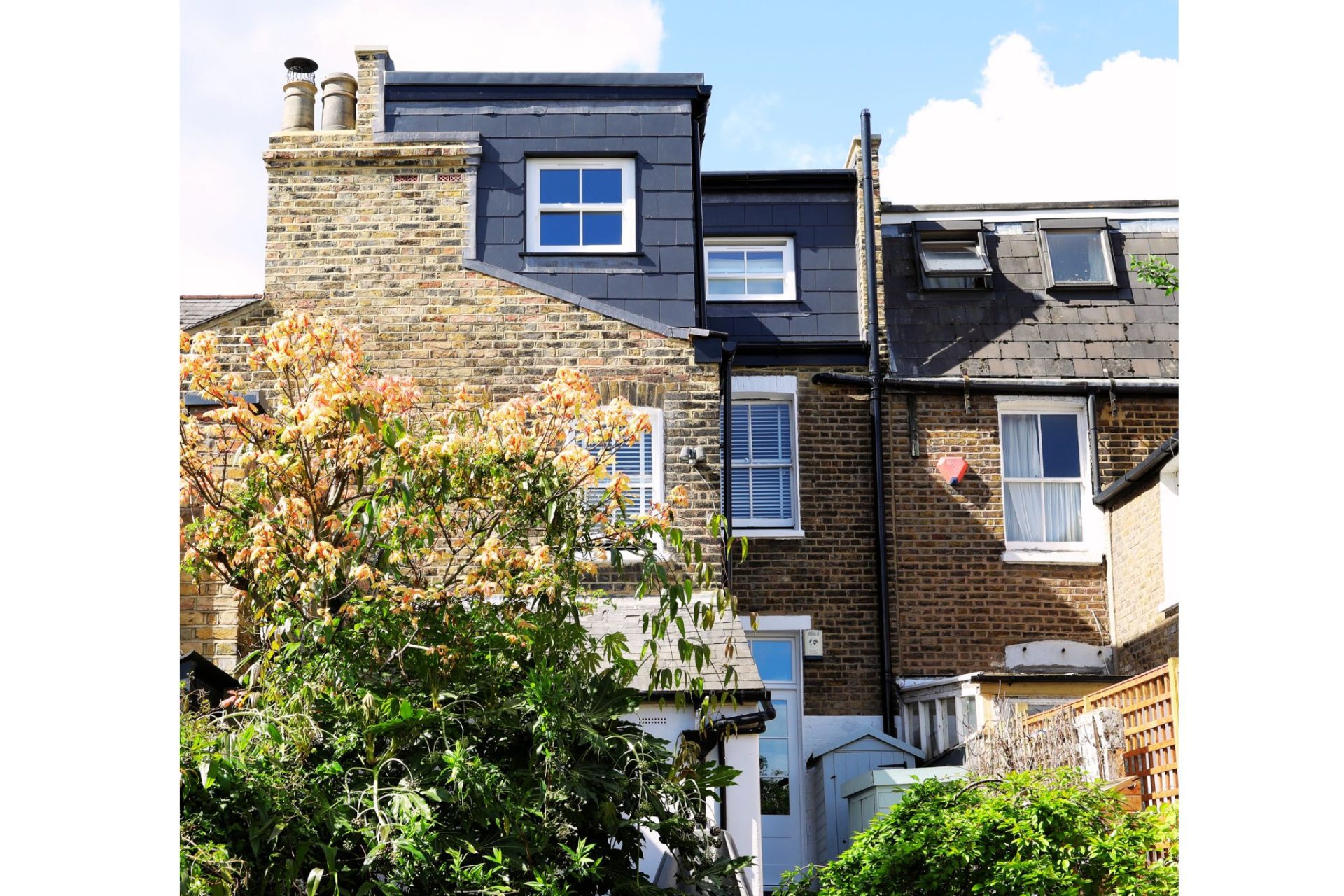
Across London — particularly in areas like Blackheath, Greenwich, and around the Heath — many large period properties started life as single houses before being carved up into flats.
Most are held leasehold, with a freeholder or managing agent retaining overall control. That setup adds a layer of complexity to any alterations you’re planning.
Plenty of flat owners across London want to improve their space but aren’t sure where to begin — especially when it comes to approvals, structural changes, and what their lease actually allows.
What is a Leasehold Property?
With a leasehold, you own your flat — not the building or the land beneath it. The freeholder holds the reins, and any significant changes will almost certainly need formal sign-off.
Why Leasehold Renovations Are More Complex
Leasehold renovations involve more moving parts than a standard build.
In most cases, you will need to involve:
- The freeholder
- A managing agent
- Legal representatives
- Surveyors acting on behalf of the freeholder
Even seemingly minor internal changes often require formal approval before anyone sets foot on site. The usual route is submitting plans to the freeholder or managing agent, followed by review from their surveyors and solicitors. Nothing moves until the paperwork is in order — and in London, that can easily stall a project for weeks if not handled properly.

Typical Approvals Required
In practice, this is where many leasehold projects slow down. We regularly see approvals take anywhere from 4 to 12 weeks depending on the freeholder and managing agent. Where the process isn’t coordinated early, delays tend to compound — particularly once structural design and legal reviews are involved. Although each lease varies, most projects require some or all of the following approvals:
Licence to Alter
Formal consent from the freeholder to carry out works. You’ll typically need to submit drawings, structural details, and a full specification.
Building Control
Structural and regulated works must comply with Building Regulations and undergo appropriate inspections.
Party Wall Matters
If your works affect shared walls, floors, or the building’s structure — particularly where steelwork is involved — Party Wall procedures will likely apply.
Common Mistakes to Avoid
Many projects encounter issues in the following areas:
- Starting design work without checking lease restrictions
- Assuming internal changes do not require approval
- Underestimating approval timeframes
- Not allowing for additional professional and legal costs
- Proceeding without proper structural information
Costs to Consider
Leasehold projects almost always carry costs on top of the build itself — and they can catch people out.
These may include:
- Freeholder’s legal fees
- Surveyor fees acting on behalf of the freeholder
- Licence to Alter costs
- Additional design and structural coordination
Factor these in from day one. Freeholders’ legal fees typically run from £800 to £2,000 depending on complexity. The freeholder’s surveyor will usually charge £500 to £1,500. The Licence to Alter itself often carries an admin fee of £350 to £700. Get these into your budget early — surprises at this stage are rarely welcome.
A Structured Approach Is Key
The projects that run smoothly are the ones where design, structural input, and approvals are all lined up from the outset.
This allows for:
- Clear design development
- Proper structural planning
- Smoother approvals
- Greater cost certainty before construction
This is why many leasehold projects benefit from a coordinated design and build approach, where design, structural input and approvals are managed together rather than in isolation.
Final Thoughts
London leasehold flats offer real potential — better layouts, more usable space, and a home that works harder for you.
The projects that go well are the ones that are properly set up before a single wall comes down. From the outset, map out your key approvals, budget for the additional costs, and get your hands on the lease.
Confirm any restrictions in writing, submit plans to the freeholder early, and allow time for agent and surveyor reviews. Get these steps right early, and you’ll be in a far stronger position to stay on programme and on budget.
Get the groundwork right and the build looks after itself.
Closing
If you’re considering a leasehold renovation, it’s worth having your lease and initial ideas ready before starting conversations. It allows for clearer, more practical advice from the outset rather than working in the dark.
Planning a leasehold renovation?
Leasehold projects come with added layers — approvals, managing agents, and structural coordination all need to be handled properly from the outset.
We take a joined-up approach, making sure everything is clearly defined before work starts, so the project can move forward without unnecessary delays or surprises.
Start your project