Start your project
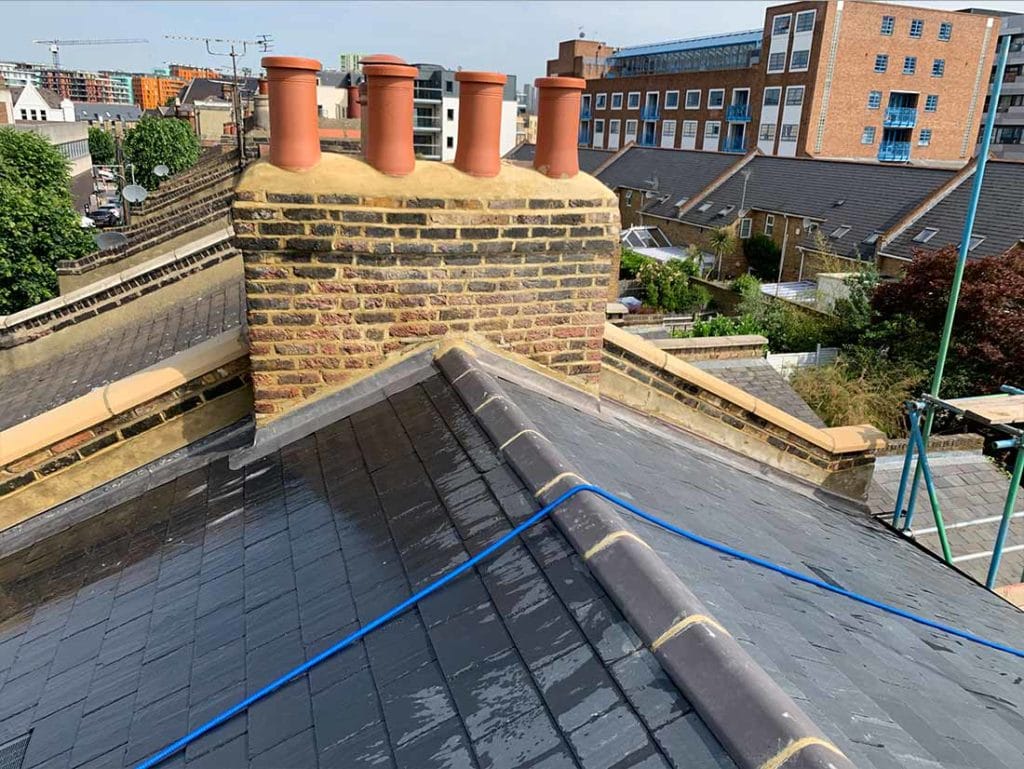
When It’s Time for a New Roof
Knowing when to replace a roof isn’t always straightforward. Many homeowners delay the decision, hoping that another repair will buy a few more years — sometimes it does, but often it only postpones the inevitable.
This guide explains how long roofs last, when repairs stop making sense, and when replacement is the smarter long-term option, particularly for London homes where access, planning, and detailing matter.

How long does a roof last?
Roof lifespan varies depending on material, exposure, and maintenance, but as a guide:
- Single-ply flat roof membranes (rubber, PVC, EPDM): 10–25 years (often longer with maintenance)
- Asphalt shingles: 20–25 years
- Metal roofing: 40–50+ years
- Slate or clay tile roofs: 40–100 years (structure dependent)
Flat roofs generally have a shorter lifespan due to pooling water and UV exposure, but modern systems with regular inspections can perform exceptionally well over time.
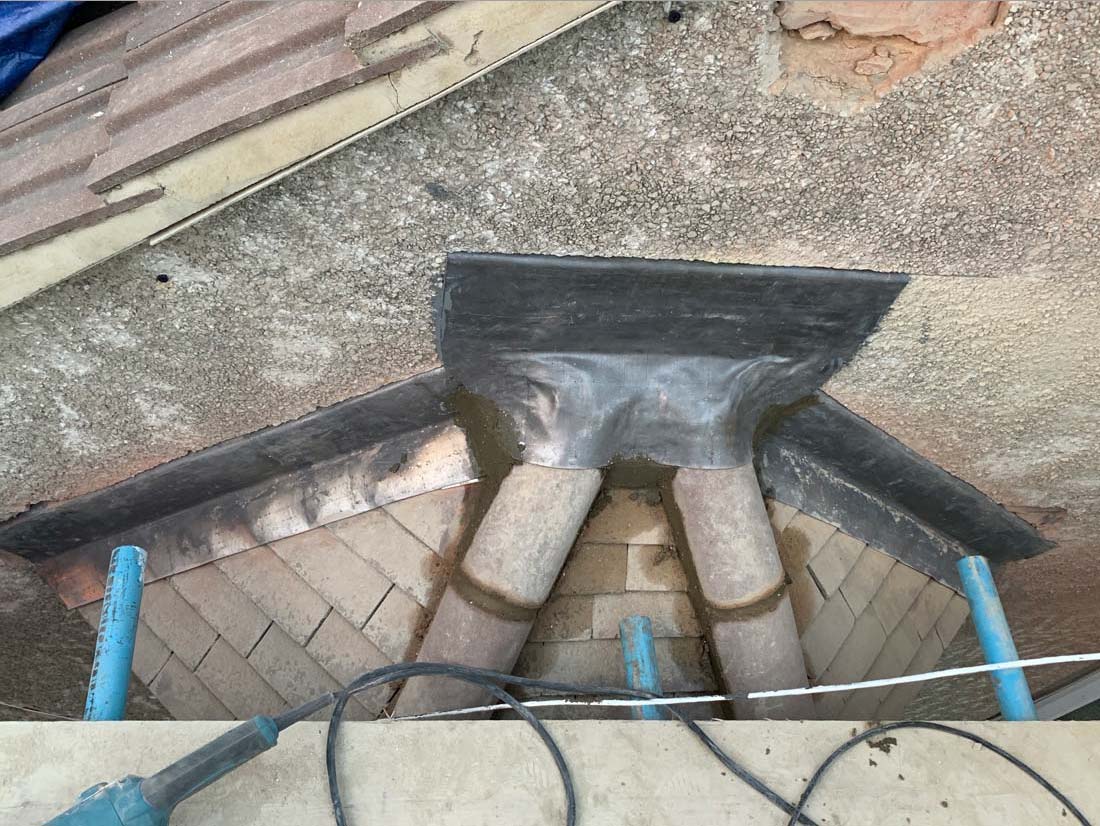
Signs it’s time to consider a new roof
If you’re seeing more than one of the following, repairs are usually no longer cost-effective:
- recurring leaks despite previous repairs
- cracked, slipped, or missing tiles
- sagging or uneven rooflines
- daylight visible from the loft
- mould, damp smells, or ceiling staining
- rising heating bills due to heat loss
- roof age exceeding 25–30 years
Multiple small issues often point to a system failure, not isolated defects.
Repair or replace? A quick comparison
| Factor | Repair | Replace |
|---|---|---|
| Upfront cost | Lower | Higher |
| Lifespan gained | 1–5 years | 25–50+ years |
| Disruption | Minimal | Moderate |
| Long-term value | Limited | High |
| Risk of future issues | High | Low |
| Best for | Localised damage | Ageing or failing systems |
If you’re repairing the same area repeatedly, replacement is almost always the more economical choice long term.
London-specific considerations
Roof projects in London often come with extra layers of complexity:
- Planning permission may be required if materials or roof form change
- Listed buildings and conservation areas require specialist detailing
- Party wall considerations apply to shared roof structures
- Building Control approval is mandatory for most roof replacements
- Access and scaffolding can be complex in terraced streets
This is why roof projects benefit from being managed by a design and build contractor, rather than piecemeal trades.
How long does roof replacement take?
Most residential roof replacements take 2–4 weeks, depending on:
- roof size and pitch
- material type
- access and scaffolding
- weather conditions
We always allow flexibility for weather delays, especially during winter months.
Professional insight
As a design and build contractor working on period and modern homes across London, we often find roofs fail due to years of patch repairs, ageing materials, and poor historic detailing.
A considered replacement, done once and properly, usually saves money, stress, and disruption over the life of the home.
When to act
If your roof is approaching the end of its lifespan or showing persistent issues, the best step is a professional inspection. This allows you to plan properly, rather than reacting to emergency failures.
If you need advice or a condition assessment, S & M Solutions Ltd can help you understand your options clearly and realistically.