Start your project
Technical challenges, heritage constraints, and construction-led solutions
Stepney Green, East London
Project Context
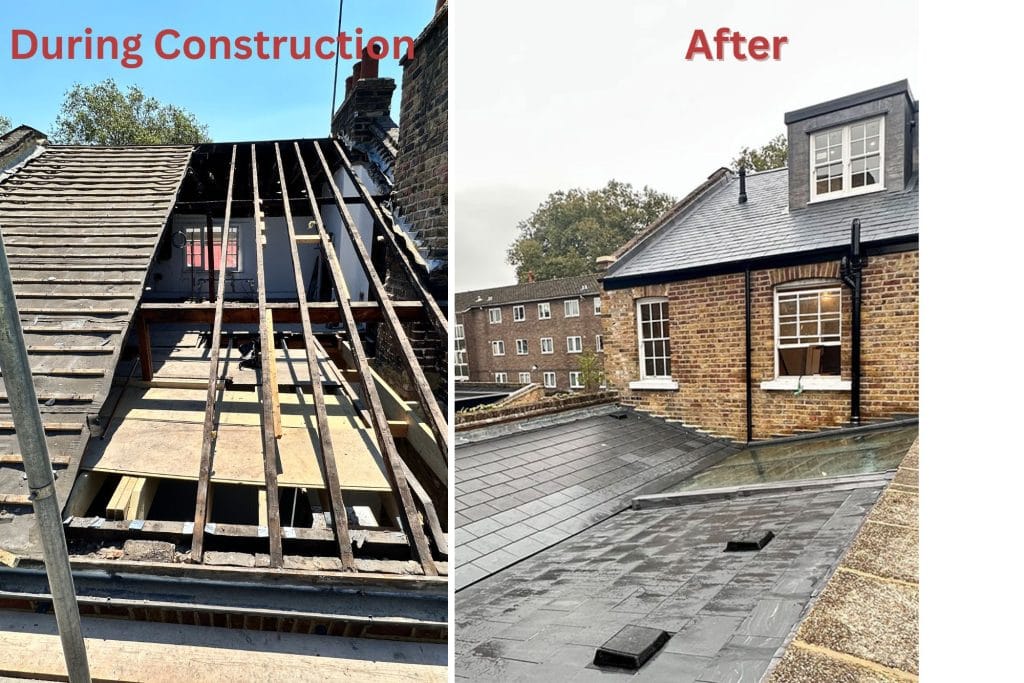
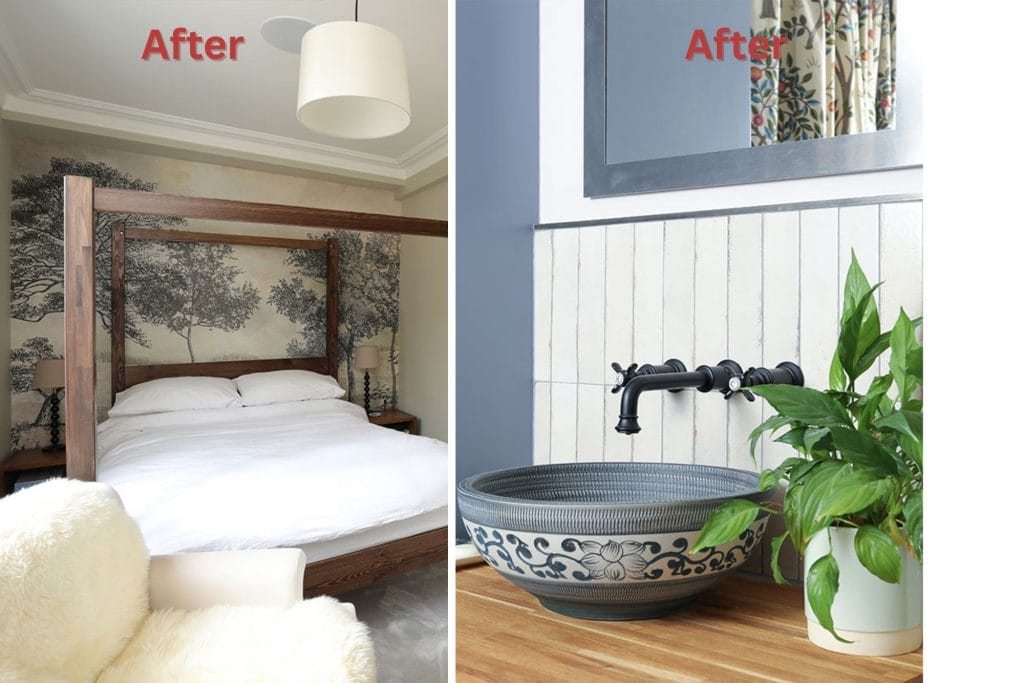
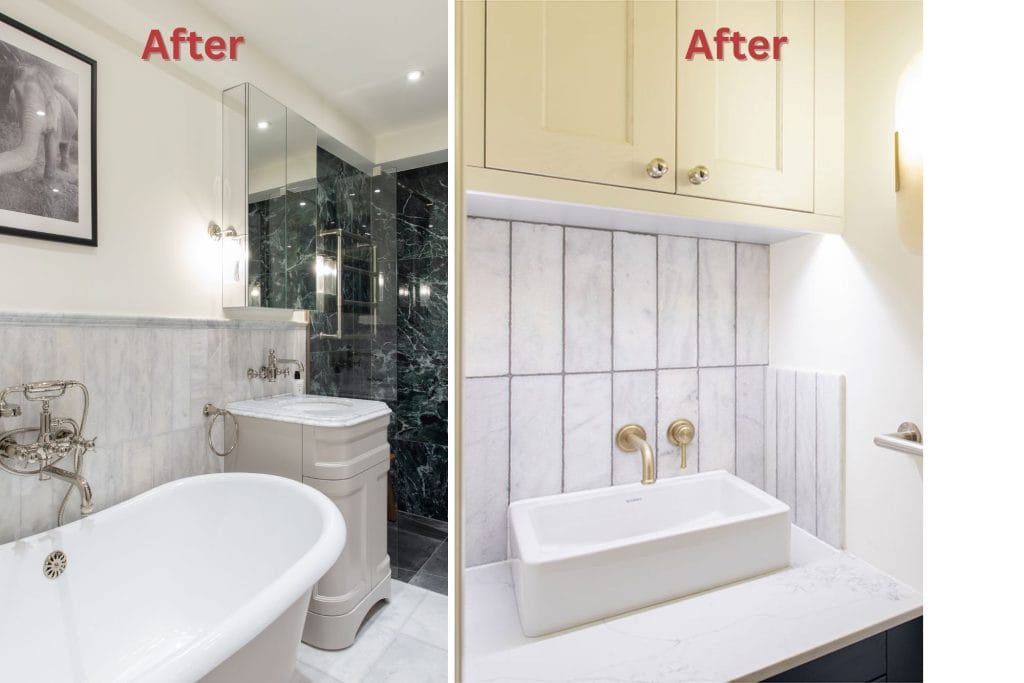
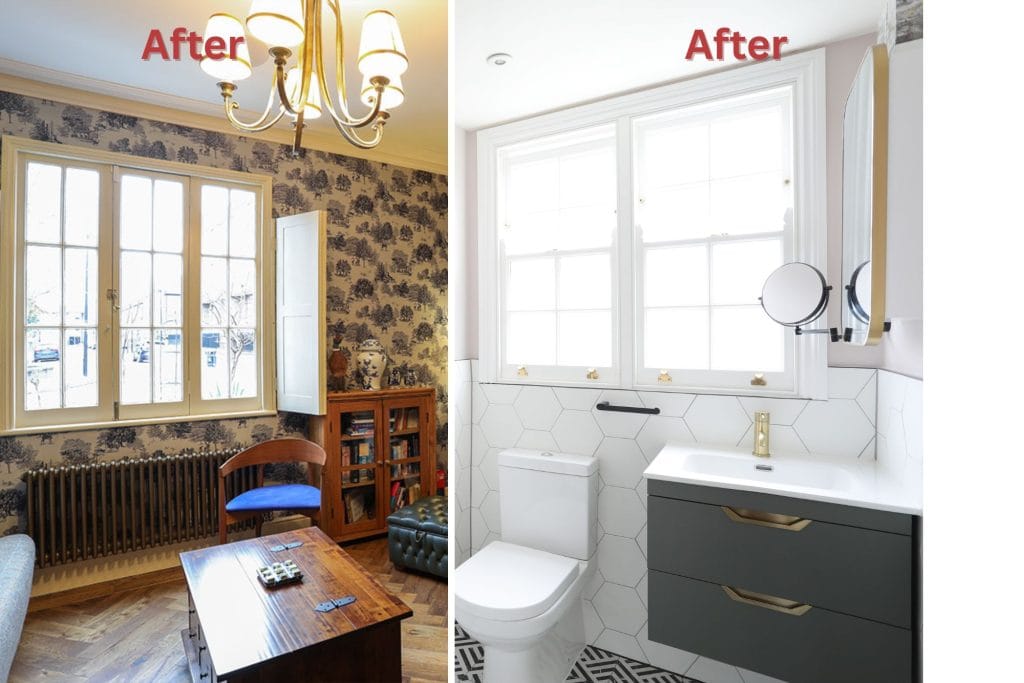
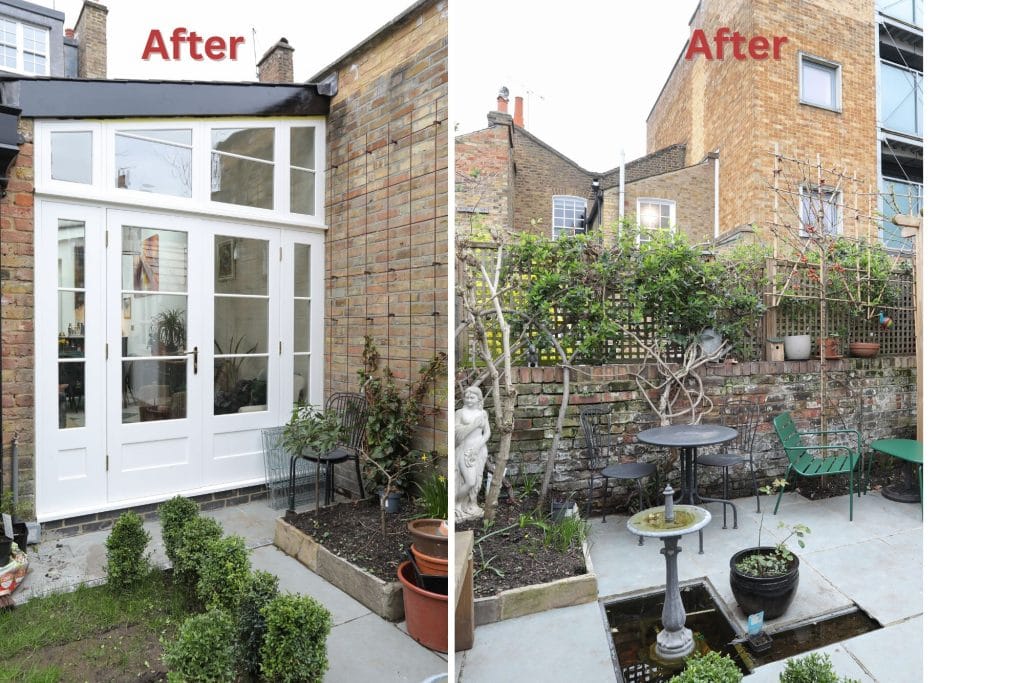
This project involved the renovation and extension of a Grade II-listed Georgian end-terrace house in Stepney Green, East London, within a designated conservation area.
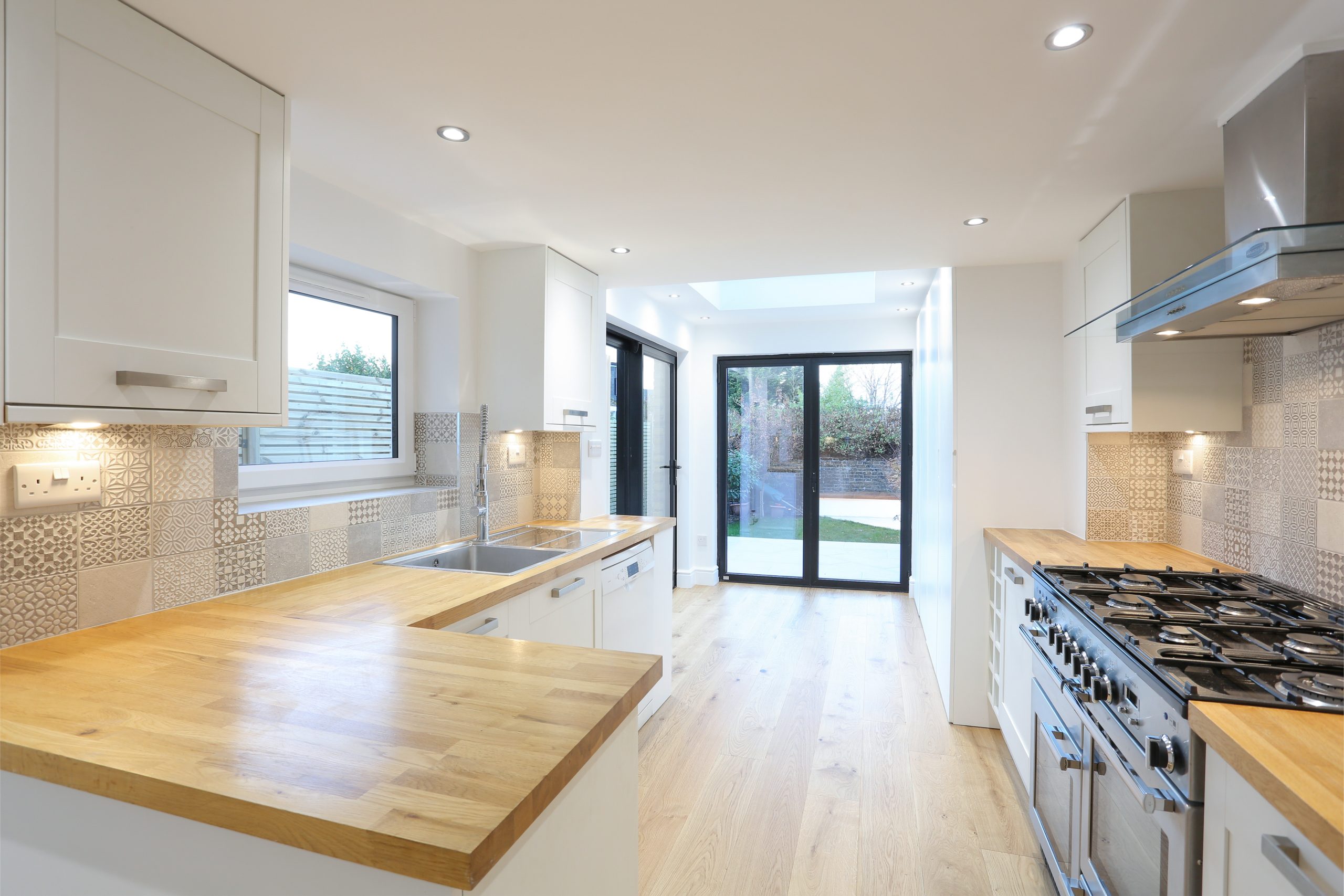
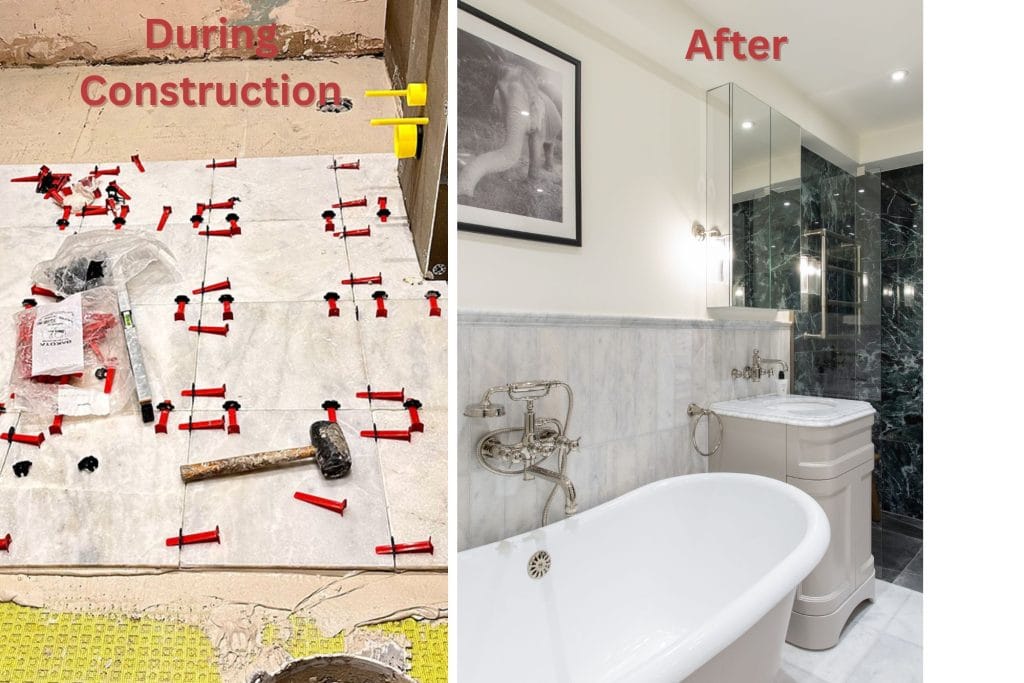
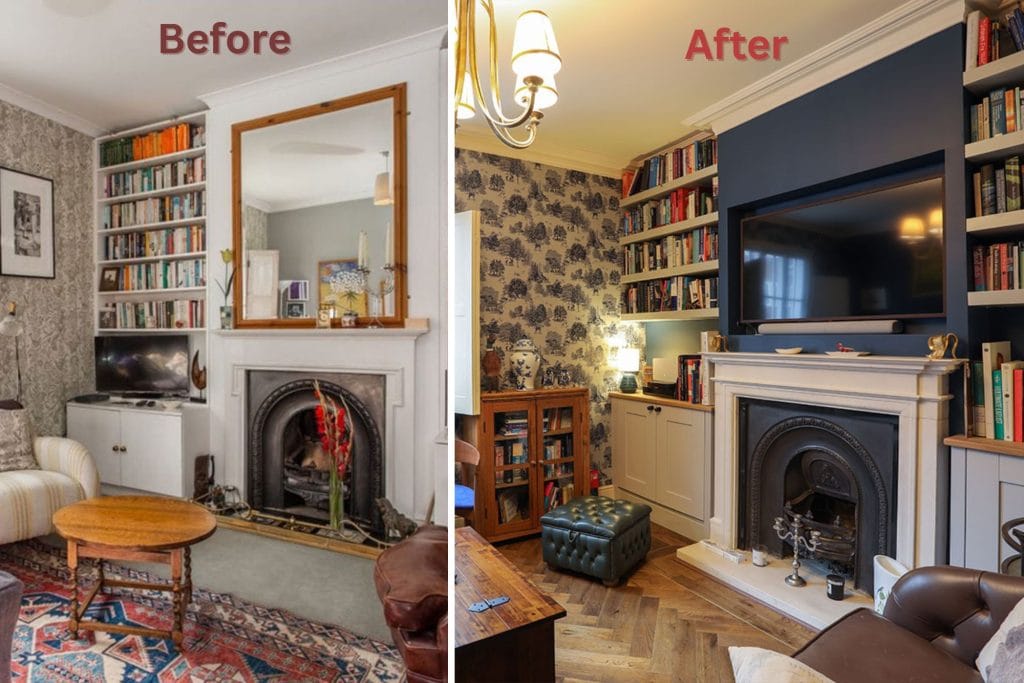
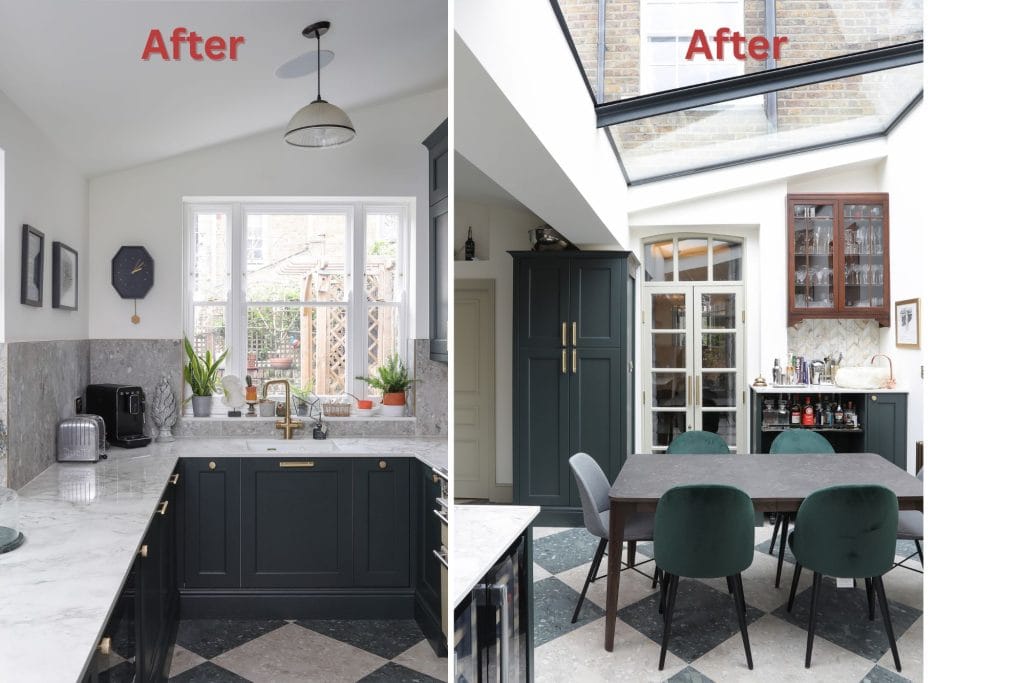
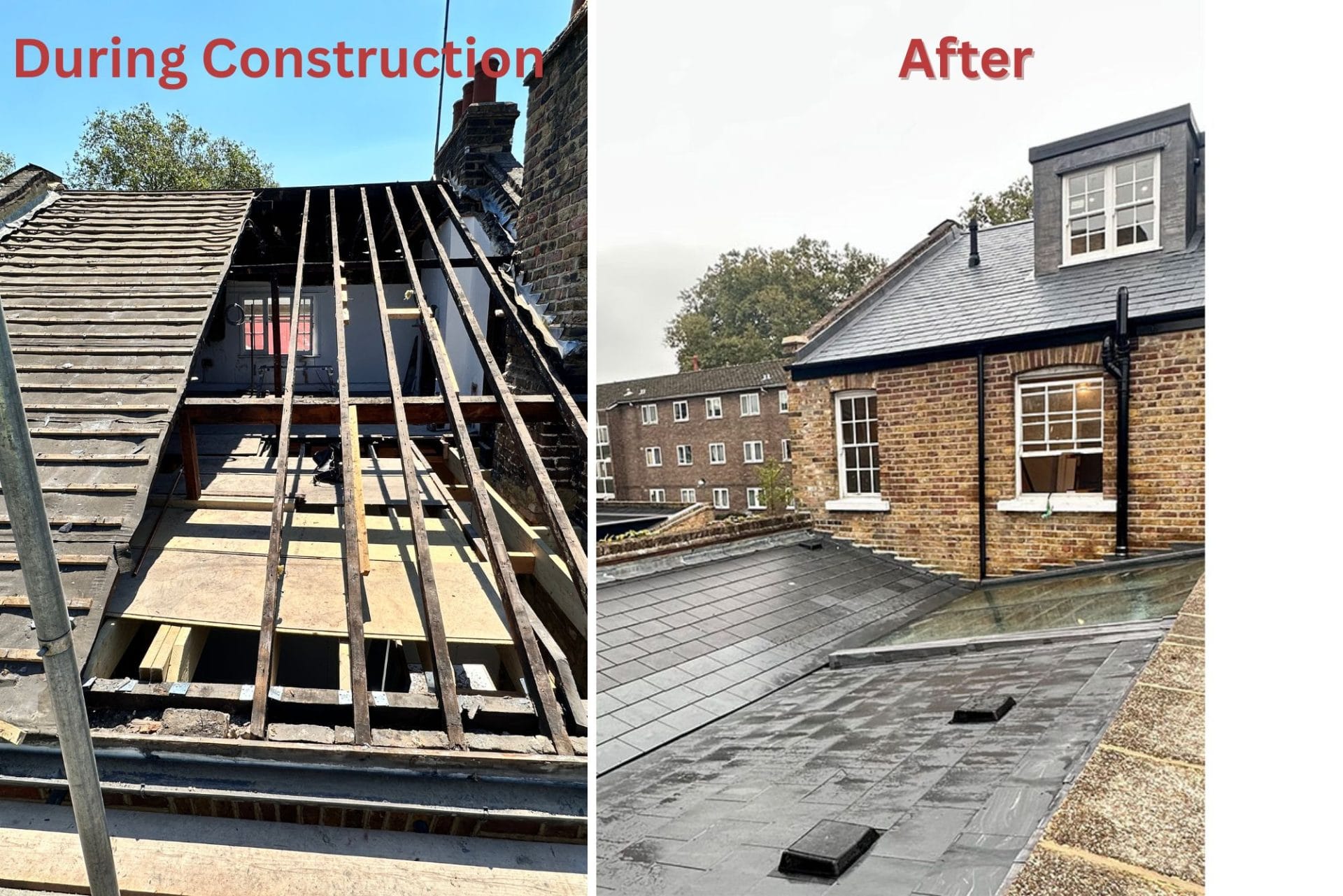
Planning drawings were prepared prior to our appointment. S & M Solutions Ltd were subsequently engaged to take responsibility for the structural design, technical development, and full construction delivery of the works. The scope included a dormer loft conversion, rear kitchen extension, and comprehensive internal refurbishment.
Given the building’s age, listed status, and party wall relationships on both sides, the project required careful technical planning, coordination, and risk management before works commenced on site.
Key Technical, Legal & Heritage Constraints
Beyond the architectural scope, the project presented a number of significant real-world constraints, including:
– Party Wall Agreements to both flank walls, influencing access, sequencing, and structural methodology
– A ground floor substructure approximately 170 mm out of level from front to rear, attributed to historic subsidence
– Out-of-plumb and non-uniform walls, typical of Georgian construction, affecting structural interfaces and finish tolerances
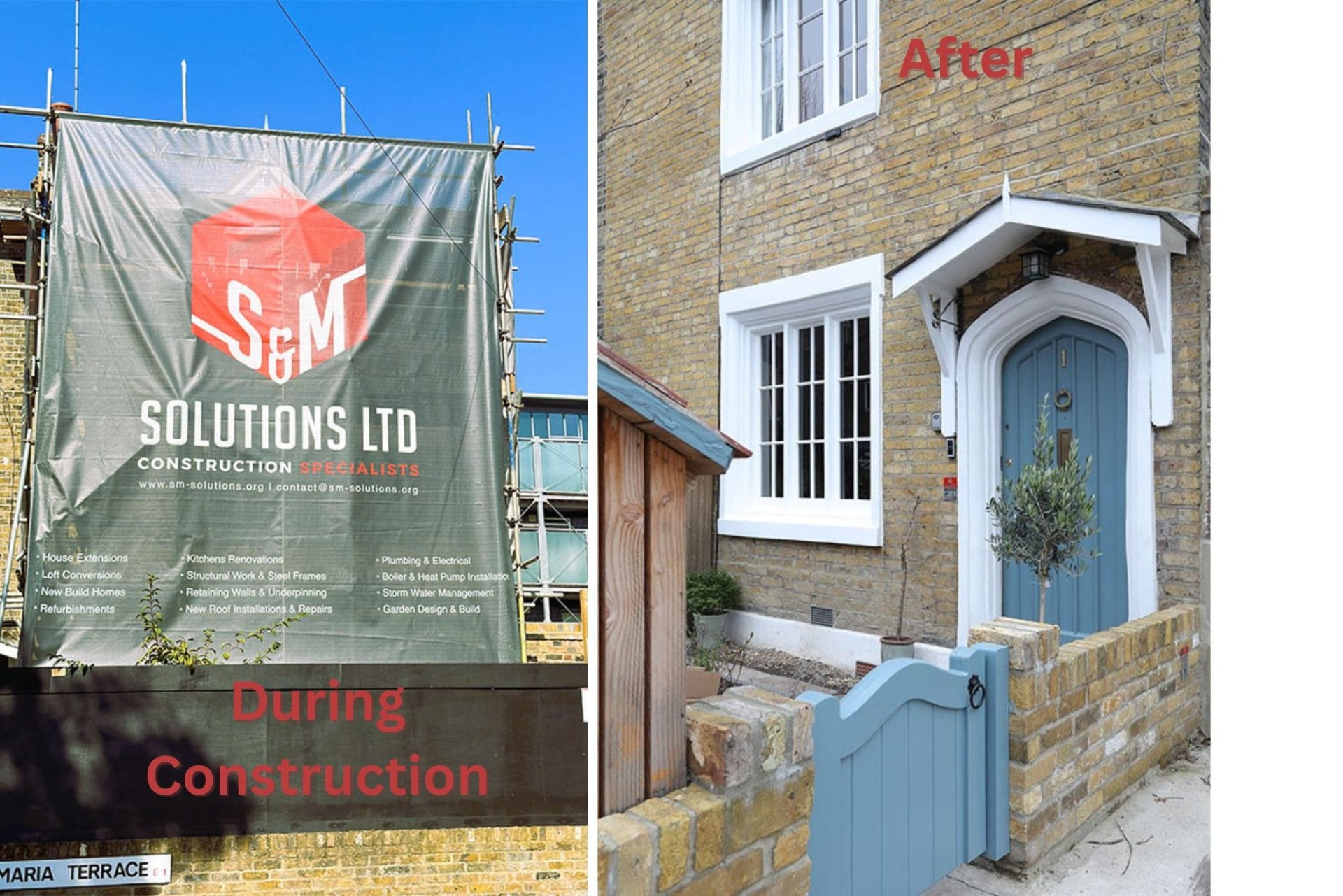
– A strict requirement to retain the front elevation exactly as existing, with no visible alteration permitted
– Local authority approval required for all front-elevation window replacements, despite like-for-like appearance
– Retention and protection of original internal mouldings and decorative panels, formally listed for conservation
These constraints necessitated meticulous design development, specialist detailing, and careful navigation of approvals, each phase overseen with the rigorous project management expected by London’s most exacting property owners. The result was a process that delivered clarity of outcome, control of investment, and complete peace of mind.
We manage complex renovations and listed buildings from design through to construction, ensuring everything is properly coordinated from the outset.
Start your project →Structural Design & Technical Responsibility
Our role extended to full structural design and technical coordination, including:
– Developing structural solutions that accommodate historic settlement and existing movement
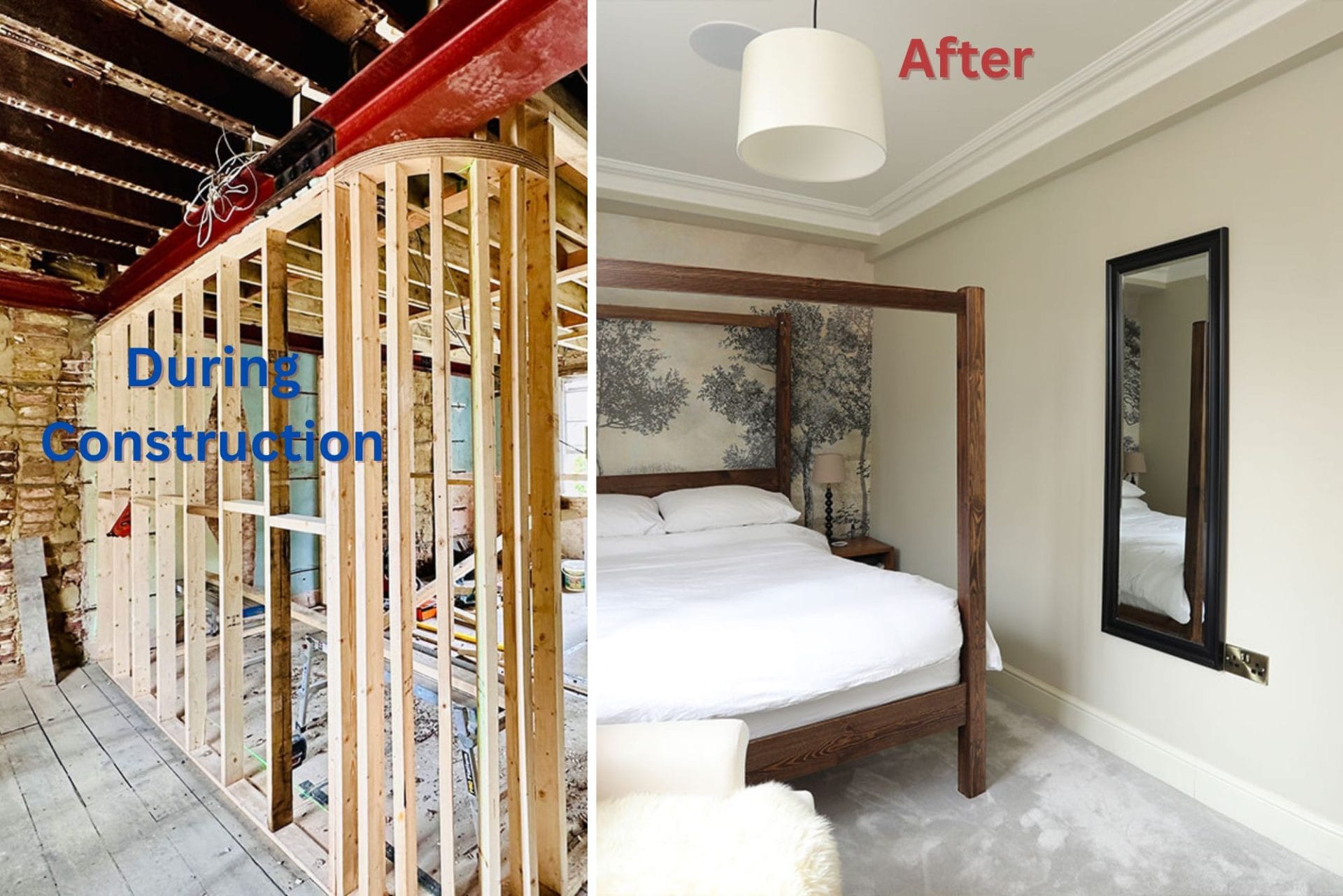
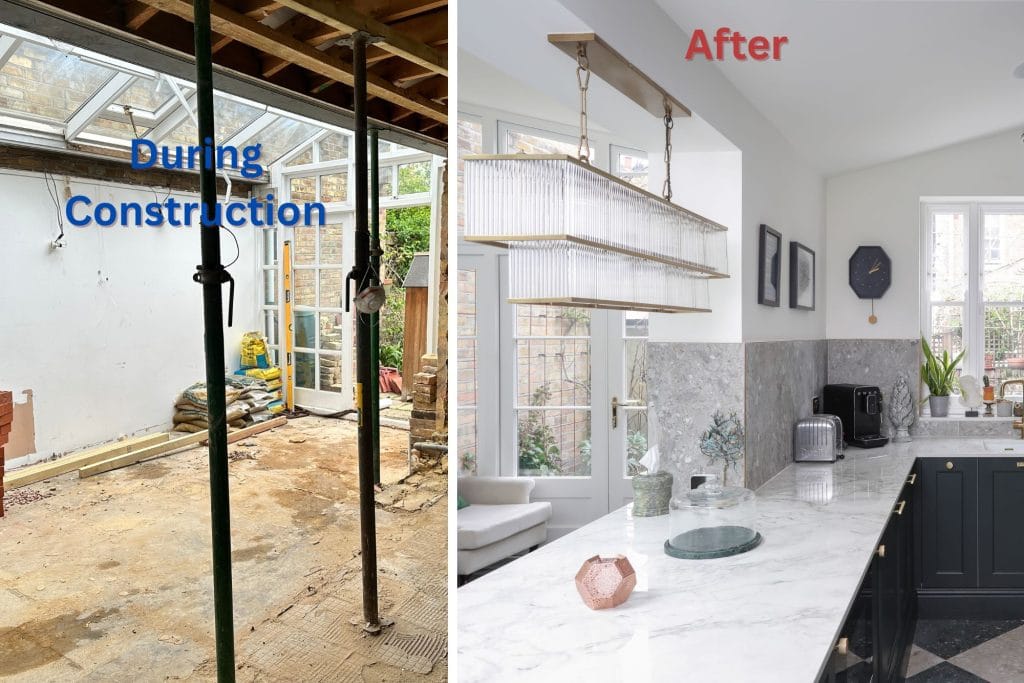
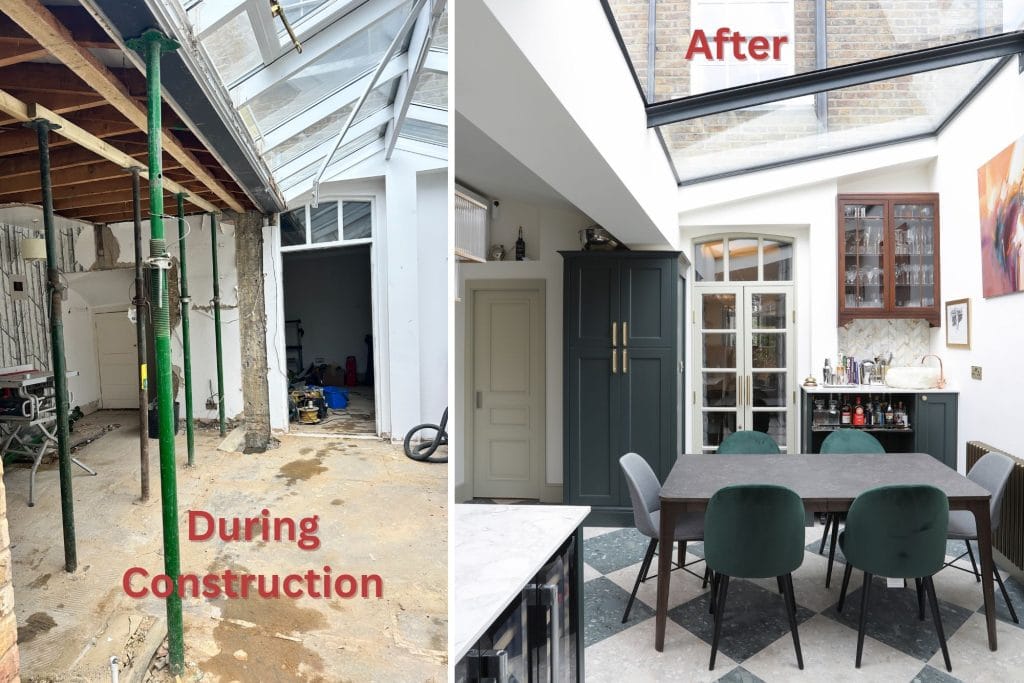
– Designing new structural steelwork to support the dormer loft conversion and rear extension
– Managing load transfer into existing masonry and party walls without overstressing the original fabric
– Designing and sequencing temporary works to protect the structure during alteration
– Coordinating with Building Control, Party Wall Surveyors, and conservation stakeholders
Rather than forcing the building into idealised geometry, all structural interventions were designed to work with the house’s existing condition, reducing risk and supporting long-term stability.

Strip-Out Discoveries & Latent Structural Issues
Following full strip-out, a number of previously concealed conditions became apparent. These were not part of the original brief and could only be identified once finishes and linings were removed.
Key findings included:
– Structural cracking to both flank walls, requiring stabilisation
– Installation of Helifix reinforcement bars and brick stitching to arrest movement and restore masonry integrity- Evidence of failed repointing to the eastern flank wall, which was highly exposed to driving rain and had resulted in moisture ingress
– A historically sealed chimney with no ventilation, leading to trapped moisture and internal damp penetration
Each issue was assessed, detailed, and resolved as part of the wider works, in coordination with structural and conservation requirements.
Construction Phase – Managing Irregularity & Fabric Remediation
Once historic conditions were fully exposed, works progressed through:
– Targeted masonry repairs and reinforcement to stabilise affected elevations
– Removal of defective pointing and repointing of the eastern flank wall using a breathable lime-based mortar, raked back to a depth of approximately 20 mm, appropriate for historic brickwork
– Introduction of discreet ventilation to previously sealed chimney voids to address moisture build-up
– Adaptation of construction details to suit existing geometry and historic movement
– Close coordination between structure, finishes, and bespoke joinery to manage tolerances discreetly
This considered approach focused on addressing root causes rather than masking defects, ensuring enduring performance and resilience—an essential standard for owners who value lasting quality and provenance.
Front & Rear Elevations – Window Conservation Strategy
A key conservation requirement was maintaining the front elevation exactly as it exists.
All replacement front-elevation traditional timber casement windows require formal approval from the local authority, including the glazing specification. The approved solution incorporated a specialist anti-glare glass manufactured in Belgium, selected to preserve the façade’s visual character while meeting conservation requirements.
Due to the specialist nature of the glazing, extended manufacturing lead times, and the approval process, the front window replacements were completed following project handover, once all conservation conditions had been fully satisfied.
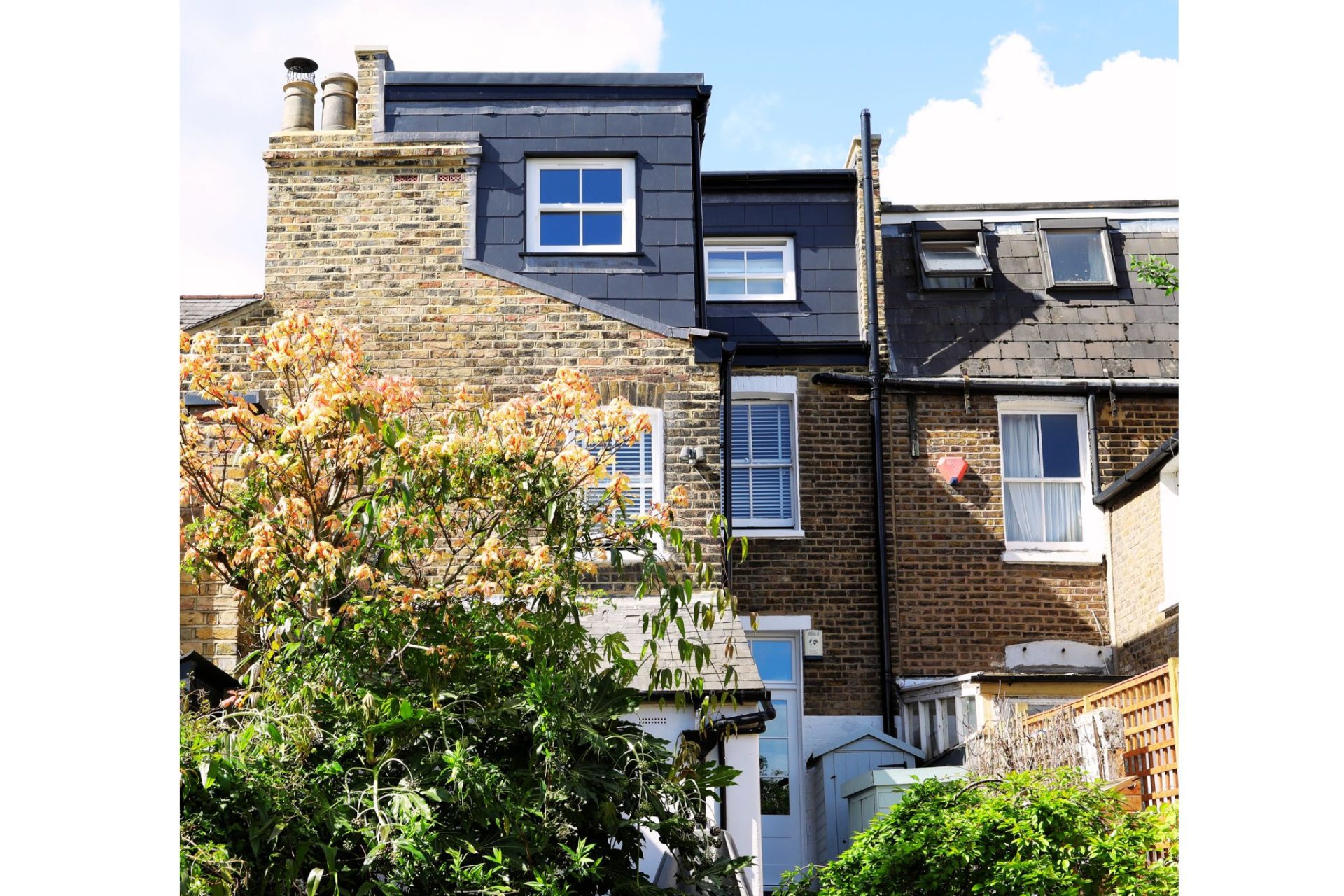
Planning constraints were less restrictive on the rear elevation; however, replacement rear timber sash windows were still required, incorporating slimline double glazing to balance improved thermal performance with heritage sensitivity.
Environmental Services – Heritage-Compatible Innovation
Integrating modern environmental comfort presented further challenges.
Conventional split air-conditioning systems were not suitable due to visual, structural, and heritage constraints. In response, a water-fed air-conditioning system was designed and integrated, carefully coordinated with the building fabric and services strategy.
This solution delivered effective climate control while minimising visual impact, avoiding intrusive external plant, and remaining compatible with the building’s historic construction.
Heritage Sensitivity & Materials
All works were carried out in line with the listed building requirements, including:
– Retention and protection of original fabric wherever feasible
– Use of traditional materials such as natural slate roofing and lead detailing
– Bespoke timber windows matching original profiles and proportions
– Careful detailing to ensure new interventions sat comfortably alongside original features
The guiding principle throughout remained one of sympathetic evolution, ensuring every intervention enhanced both the living experience and the investment value, without compromising the property’s period character.
Project Duration:
28 weeks from site start to practical completion, excluding specialist front-elevation window manufacture and conservation sign-off.
Outcome
The completed project represents a significant elevation of the property as a whole, markedly improving structural integrity, functionality, comfort, and long-term performance—while preserving the refined Georgian character that discerning London homeowners prize.
Despite the technical, legal, and conservation-led challenges encountered — including historic movement, latent structural defects, moisture ingress, party wall constraints, and specialist approvals — the project was successfully delivered through careful planning, technical leadership, and disciplined execution.
The house now meets the highest standards of contemporary living, while retaining the integrity and appearance expected of a distinguished Grade II listed London home.
Key Takeaway
This project demonstrates that successful listed-building work is defined not by drawings alone, but by structural judgement, conservation awareness, and the ability to respond decisively to conditions uncovered once the building is opened up.
Frequently Asked Questions – Listed Building Projects
Do I need special permissions to renovate a listed building?
Yes. Any visible change to a listed property normally requires Listed Building Consent, even if it appears minor. This includes windows, doors, roof coverings and internal features considered part of the historic fabric.
Are loft conversions allowed in Grade II listed properties?
They can be, but the design, scale and detailing must be sensitive to the building’s character. Dormers and roof alterations often require bespoke design and negotiation with conservation officers.
What challenges should homeowners expect?
Historic homes often reveal structural movement, uneven floors, hidden damp and non-standard construction. These issues can only be confirmed once strip-out begins and require careful technical responses.
How long does a Grade II renovation normally take?
Project durations vary, but heritage work typically takes longer due to approvals, specialist materials and careful sequencing. This project ran over several months, not including external window manufacture delays.
Is a listed renovation more expensive than a standard extension?
Generally yes, due to specialist trades, materials, approvals and constraints. However, the investment often protects long-term value and enhances the property’s heritage appeal.
Planning a similar project?
We deliver fully managed design & build projects across London — from concept through to completion, including complex and listed buildings.
Tell us a bit about what you’re planning and we’ll guide you on the next steps.
Start your project