Start your project
A Simple Guide to Removing a Load-Bearing Wall
Transform Your Home with Open-Plan Living

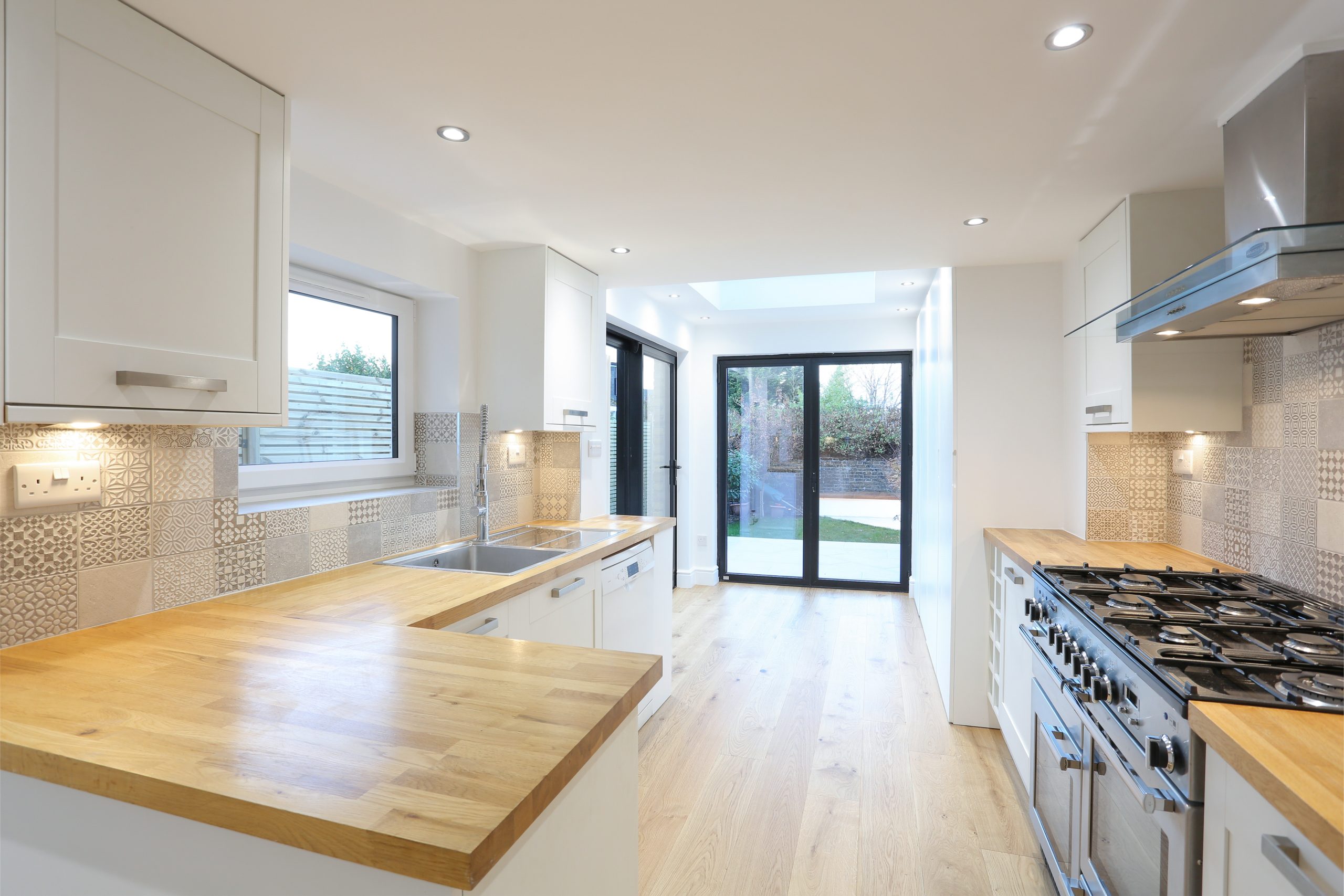
Removing internal walls can dramatically change your home’s feel, flow, and appearance. Open-plan living areas are incredibly popular right now, offering more natural light and a greater sense of space. This approach helps create more usable space without the need for a costly or disruptive extension.
Understanding how to remove internal walls allows you to design a space that suits your family’s needs. By taking down specific barriers, you can increase room sizes, open up living areas, or even create new spaces like an office or playroom—all without altering your home’s footprint.
However, while knocking down a wall might sound straightforward, it’s not a DIY job. Always seek the advice and expertise of a professional builder if you’re considering removing internal barriers.
What’s Involved in Removing Internal Walls?
The concept is simple: knock down a wall to open up your living area. If the wall isn’t load-bearing or concealing plumbing, the process can be relatively straightforward. Brick, stud, or dry walls are easier to remove, but if you’re unsure whether the wall is load-bearing, it’s essential to consult an experienced builder.
Additional Work Involved
Removing any internal wall often involves:
-
Repositioning or rerouting electrical wires
-
Creating a chase for any heating or plumbing pipes hidden in the wall
-
Patching the floor where the wall stood
-
Plastering, patching, and painting the ceiling
If the wall is load-bearing, the job becomes more complex—but it’s certainly achievable with the right team.
What is a Load-Bearing Wall?
A load-bearing wall supports structural elements above it, such as the roof, ceiling, or an upper floor. These walls are crucial to a building’s integrity and must only be removed by professionals.
When you take down a load-bearing wall, you’re removing a part of the building’s support system. This support must be replaced—typically with a post and beam system—to maintain the structure’s stability. The process also requires temporary supports during removal to prevent any risk of collapse.
In contrast, non-load-bearing walls don’t support anything above and are easier to remove. However, even with these, consulting a professional is still advisable.
How to Identify a Load-Bearing Wall
There are a few simple checks you can do:
-
Knock on the wall. If it sounds hollow, it’s likely a stud wall and not load-bearing. A dull thud could indicate a solid brick wall, which may be load-bearing.
-
Check for alignment with upper floors. If there’s another wall directly above it, there’s a strong chance it’s load-bearing.
-
When in doubt, contact a professional builder. They can assess the wall accurately.
What Happens If My Wall Is Load-Bearing?
If you discover that the wall is load-bearing, you’ll need to replace its support. This is usually done with a reinforced steel beam or joist (RSJ), which sits in the ceiling to carry the load from above.
A structural engineer will calculate the correct load and measurements for the steel beam. These details are passed to your builder or project manager, who will coordinate with the steel manufacturer to produce and deliver the beam.
Once installed, the local building inspector must review the work to ensure it complies with Building Control Regulations. After approval, the steelwork is covered with fire protection, plastered, and painted.
Be sure to keep all documentation, including the building approval certificate and the engineer’s specifications. If you sell your home later, surveyors may request these details. Without them, you’d need to hire an engineer for a new assessment—often a costly process.
Watch Our Wall Removal in Action
To get a better idea of the process, watch our video showcasing a recent load-bearing wall removal project:
Check out this video on this link here we have done to help you with your project- https://youtu.be/3C8Fhex8H0E
How Long Does Wall Removal and Remodelling Take?
Removing internal walls typically takes 5 to 10 days from start to finish. Load-bearing wall removals often take longer due to additional steps like installing steel beams, making good the surfaces, plastering, and painting.
Do You Need Planning Permission?
In most cases, making internal changes to your home doesn’t require planning permission. However, you will need to submit engineer calculations and building notices to your local Building Control Service.
If your property is listed, you’ll need listed building consent for any significant internal or external alterations.
Don’t Take On Wall Removal Alone
If you’re looking to make a dramatic change to your home’s layout or want to create a more open-plan design, removing a wall might be the solution. However, this is not a project to tackle alone—especially if the wall is load-bearing.
Although doing it yourself may seem like a way to save money, working with a professional building company ensures the job is done safely and to the highest standard.
With years of experience in wall removal and interior remodelling, our experts at S & M Solutions Ltd are here to help you create the perfect space. Call us today at 020 3092 3791 for advice or to schedule a consultation.
For trusted building contractors in London, get in touch today.
Book your free, no-obligation consultation and find out how we can help transform your home.